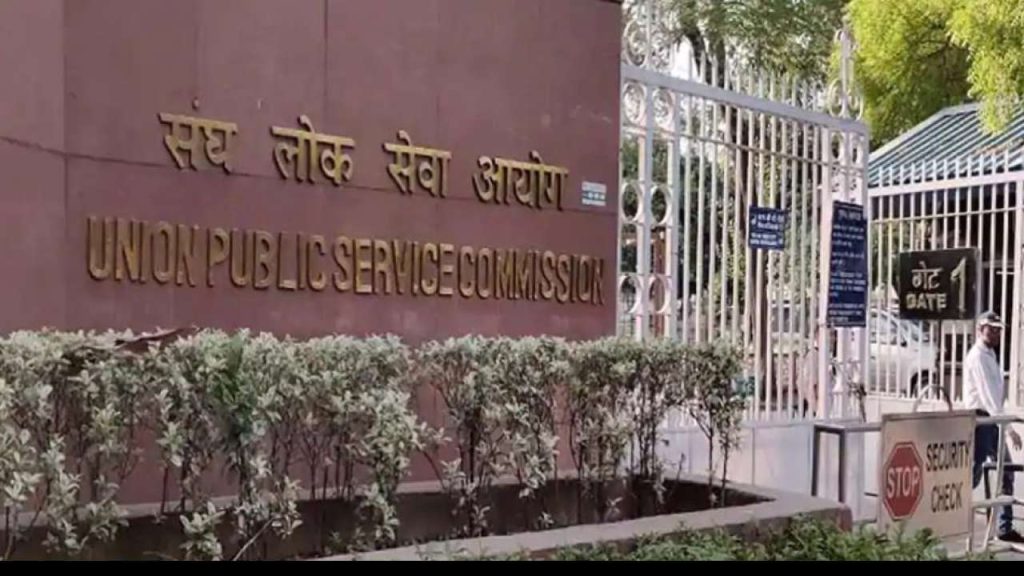
Board: Shri Vinay Mittal
The Journey to the Interview Room
After months of preparation, I finally found myself facing the UPSC Interview Board chaired by Shri Vinay Mittal. What followed was an intense, thought-provoking conversation that tested not just my knowledge, but my ability to think on my feet, connect diverse ideas, and stay grounded in my values.
Here’s a detailed account of my interview experience to help future aspirants understand what to expect.
The Interview: Question by Question
Chairman – Shri Vinay Mittal
The chairman set the tone with contemporary governance issues before diving into my background:
- Measures to counter black money?
- What is the Black Money Disclosure Act?
- Explain the Benami Transaction Act
- What do you know about the Lokayukta Bill?
- How does Direct Benefit Transfer (DBT) work?
Then came the questions that probed deeper:
- “Why IAS? You are already a veterinarian.”
- “What about the other 23 services? How will you use your veterinary skills there?”
- “How will you remove corruption at the district administration level?”
And finally, before concluding:
- “Have you ever faced an ethical dilemma?”
Member 1: Testing Technical Depth
This member tested whether my veterinary background was genuine or just a DAF entry:
- What is thrush in horses?
- What is bay color in horses?
Then the questions shifted to challenge my reasoning:
- “Why are Army and Intelligence Bureau personnel considered more patriotic?” (This was based on examples I’d given in a previous answer)
- “Is increasing population good for India?”
- “So, is family planning anti-national then?” (A classic trap question!)
- What are the different constituents of CAPF and their roles?
Lady Member 2: Rural Development & Cooperatives
She focused on the intersection of my veterinary background with development issues:
- How is livestock a cause of climate change?
- What made AMUL successful? Who was the leader behind it?
- Explain the AMUL model
- Why has the AMUL model not been successful in Haryana?
Member 3: Data-Driven Questions
This member tested whether I knew facts and figures or just opinions:
- What was the aim of demonetization?
- How much money came back to the banks?
- What percentage was counterfeit currency?
- How much money was deposited in Jan Dhan accounts?
The Psychologist Member: Values & Social Issues
The final set of questions focused on social awareness and empathy:
- What is the condition of women in Haryana?
- Why does female foeticide happen?
- How will you improve the situation?
- What ethical considerations are involved?
- Why do rich people have an indifferent attitude toward social issues?
Chairman (Closing Remark)
“Thank you. Your interview is over.”
Key Takeaways for Future Aspirants
1. Your DAF is Your Foundation
Every word you write in your Detailed Application Form matters. My veterinary background became the central theme, with questions ranging from horse diseases to livestock’s role in climate change.
2. Expect Multi-Layered Testing
The board tested:
- Factual knowledge (Black Money Act, CAPF structure)
- Analytical ability (Why AMUL failed in Haryana)
- Ethical grounding (Personal dilemmas, women’s issues)
- Current affairs (Demonetization data)
- Social sensitivity (Female foeticide, rich people’s attitudes)
3. Beware of Trap Questions
Questions like “Is family planning anti-national?” are designed to see if you think critically or agree blindly. Always provide nuanced, balanced answers.
4. Know Your Numbers
When discussing policies like demonetization or DBT, be ready with specific data. Opinions without facts don’t carry weight.
5. Connect Your Background to Administration
The question “Why IAS when you’re a veterinarian?” isn’t adversarial—it’s an opportunity to show how your unique background strengthens your administrative capability.
6. Regional Issues Matter
Since I had connections to Haryana, questions on state-specific issues like women’s status and cooperative failures were natural. Know your home state/cadre preference well.
7. Authenticity Over Rehearsed Answers
The board can sense when you’re reciting prepared answers versus genuinely engaging with questions. Stay authentic and thoughtful.
Final Thoughts
The UPSC interview isn’t an interrogation—it’s a conversation with some of the finest minds in public administration. They’re looking for thinking individuals who can handle complexity, stay grounded in values, and demonstrate genuine passion for public service.
My veterinary background, which some might see as unconventional for civil services, became my strength. It gave the board unique angles to explore and allowed me to showcase how specialized knowledge can enrich generalist administration.
To all aspirants reading this: Trust your journey. Your unique experiences and background aren’t obstacles—they’re your differentiators.
Best wishes for your preparation!
Dr. Aman Bishla
IRS
Have questions about the interview process or preparation strategy? Feel free to reach out through the contact section.
Leave a Reply